
Introducing the DarkhorseOne Local Agent Gateway: A Secure, Auditable Runtime for AI Agents
DarkhorseOne has rebuilt the AI Agent capability at the heart of its product suite into a standalone, configurable runtime: the Local Agent Gateway. Built on lessons from six months of running our PonyBunny research project in live projects, the Gateway integrates directly with Claude and Codex, letting business systems drive AI agent tasks in real time — securely, auditably, and without the cost unpredictability of typical API-metered usage.
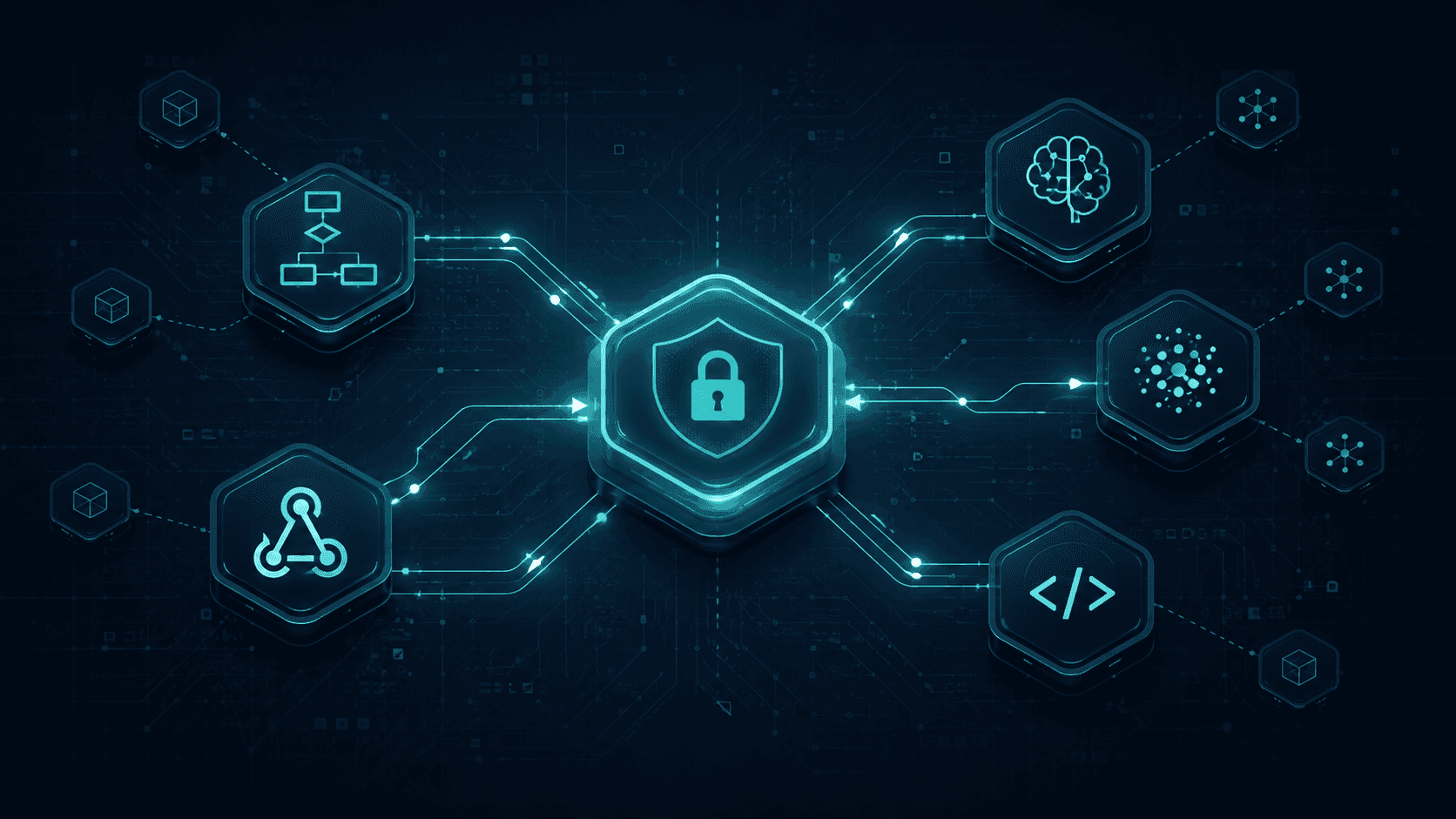
DarkhorseOne today announced the Local Agent Gateway, a significant re-architecture of the AI Agent capability that previously sat inside individual products across our platform. Rather than each product implementing its own agent logic, that capability has now been extracted into a single, independent runtime that any connected system can call on — configurable, reusable, and upgradable on its own release cycle, separate from the products built on top of it.
From research project to production runtime
The Gateway's roots go back around six months, to a project we called PonyBunny. Inspired by the early OpenClaw project, PonyBunny set out to answer a specific question: could a local-first, secure, auditable "Harness"-type AI Agent runtime hold up under real operational load — not as a demo, but inside live client work?
Over the following months we ran PonyBunny through genuine projects, surfacing the gaps that only show up under real usage. The Local Agent Gateway is the outcome of that process: a redesigned, production-grade successor built directly from what we learned.
Native integration with Claude and Codex
The core technical change in this release is a runtime that calls Claude and Codex directly, rather than routing every task through a person manually working in a chat interface. Business systems can now dispatch agent tasks to the Gateway programmatically, and the Gateway handles execution, monitoring, and result collection end-to-end — with no manual step in between.
This has two immediate, practical effects. First, it lets organisations run agent tasks against subscription plans they already hold, instead of defaulting to metered API billing. Second, because a large share of everyday, repetitive agent tasks share substantial context, the Gateway benefits heavily from caching — measurably reducing token consumption on recurring work. Together, these make real-world AI spend far more predictable and controllable, while giving teams full visibility into what the agent did and why.
Built for real integration, not just demos
The Gateway is designed to sit inside existing operational systems rather than replace them. It currently supports three integration paths:
- n8n, for teams already orchestrating workflows there
- Webhook-based integration, for conventional SaaS systems
- Fully custom-built systems, for bespoke architectures
All three connect over Server-Sent Events (SSE) for real-time communication, giving connected systems:
- Live task dispatch to the agent runtime
- Human-in-the-loop response handling, so a person can review or intervene at defined checkpoints
- Automatic collection of task results, with no manual retrieval step
- Fine-grained control over which MCP servers and functions an agent may use, via configurable allow-lists and deny-lists
What's next
The Local Agent Gateway is now running in production across several DarkhorseOne products, with further integrations planned. We'll be sharing more detail on architecture and early results from live deployments in the coming weeks.
For teams evaluating how to bring agentic AI into existing systems safely and predictably, get in touch with DarkhorseOne to discuss how the Local Agent Gateway could fit into your stack.